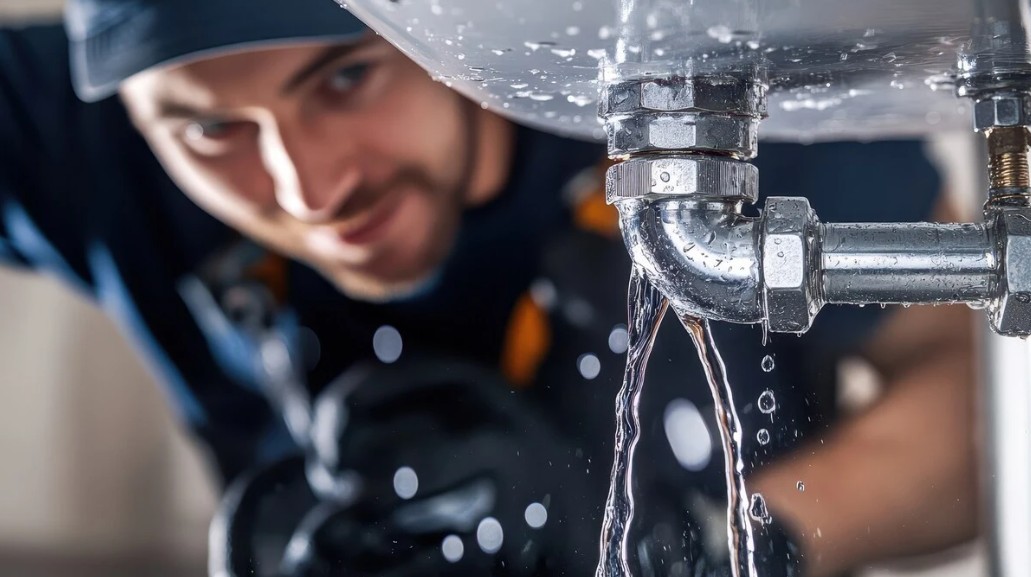
Maintaining a home involves a multitude of small, often overlooked tasks that can prevent costly damage to crucial areas like floors and plumbing. Many issues with floors and pipes begin hidden from immediate view, slowly causing problems that escalate into expensive repairs. Understanding the hidden fixes that can preserve your floors and protect your pipes is essential for any homeowner who wants to extend the life of their property. This article explores practical solutions, detection techniques, and maintenance tips that save your floors and pipes, keeping your home safe and sound.
Identifying Hidden Leaks Before They Cause Damage
One of the most insidious threats to both floors and pipes is hidden water leaks. Leaks concealed beneath flooring or behind walls can go unnoticed for months, allowing water to seep into structural components. This leads to warping floors, mold growth, and pipe corrosion. Early signs include musty odors, damp or discolored spots on floors, bubbling paint or wallpaper, and unexplained increases in water bills.
Using tools such as moisture meters or infrared cameras helps detect these hidden leaks without invasive inspection. Regularly monitoring your water meter for usage with all fixtures off can also reveal a persistent leak. Spotting leaks early allows for targeted intervention before floors warp or pipes suffer irreparable damage.
Epoxy and Sealants: Modern Solutions for Pipe Repairs Without Major Renovations
Traditional pipe repairs often mean cutting through walls or lifting floors, which is both costly and disruptive. Advances in plumbing repair technology now allow for fixes without tearing apart your home. Epoxy resin coatings and pipe lining techniques let professionals seal leaks from the inside, reinforcing pipes without excavation.
For minor cracks or pinholes, pipe repair clamps and specialized sealants provide temporary or long-term solutions. These methods not only reduce the time and cost involved but also minimize damage to flooring and walls, preserving your home’s interior aesthetics.
Preventing Floor Damage with Proper Drainage and Ventilation
Excess moisture is the enemy of flooring materials like hardwood and laminate. Ensuring proper drainage away from your home foundation prevents water from pooling where pipes enter or run through floors, reducing moisture-related damage. Gutters, downspouts, and grading around your home should direct water away efficiently. Within the home, adequate ventilation in areas like bathrooms and basements prevents humidity buildup that can seep into floors and cause mold or rot over time. Using exhaust fans, dehumidifiers, and sealing crawl spaces are key preventive measures to maintain dry, healthy floors.
Routine Maintenance: Tightening Connections and Clearing Clogs
Small, hidden issues like loose pipe connections can lead to slow drips that damage floors. Regularly inspecting accessible pipes under sinks and behind appliances and tightening fittings can stop leaks early. Additionally, keeping drains clear of debris with strainers prevents backups that cause water to spill onto flooring. Simple DIY fixes such as applying plumber’s tape or replacing washers can quickly address minor leaks. Routine maintenance extends pipe life and protects floors from water damage caused by plumbing failures.
Addressing Warped or Sagging Floors Promptly
Warped or sagging floors often indicate hidden moisture from plumbing leaks. Early detection and repair are crucial. Depending on the flooring material, controlled drying and mold remediation may resolve issues. In severe cases, replacing damaged subflooring and reinforcing joists might be necessary.
Ignoring these signs leads to structural problems, costly repairs, and possible health hazards from mold. Partnering with professionals ensures the right fixes that stabilize and restore damaged floors while addressing the underlying pipe problems.
When to Call Professionals for Hidden Leak Repairs
While some minor fixes homeowners can handle, many hidden leak issues require professional expertise. Licensed plumbers have the tools and experience to locate leaks precisely and repair them with minimal disruption. Their ability to use trenchless repair techniques and modern pipe lining saves your floors from demolition.
Additionally, water damage restoration experts can address flooring and structural repairs, mold remediation, and moisture control efficiently. Prompt professional intervention after leak discovery reduces the scope of repair and expense.
Tips for Protecting Floors and Pipes Long-Term
Schedule regular plumbing inspections to catch corrosion, loose connections, or slow leaks early.
- Use drain strainers to prevent clogs that cause water overflow.
- Maintain good home drainage and ventilation to minimize moisture around pipes and floors.
- Monitor water bills and look for signs like damp smells or stains.
- Educate family members on prompt reporting of leaks or water damage signs.
- Invest in quality flooring materials and protective finishes resistant to water damage.
By incorporating these proactive measures, homeowners protect their investment, avoid costly repairs, and ensure a healthy home environment.